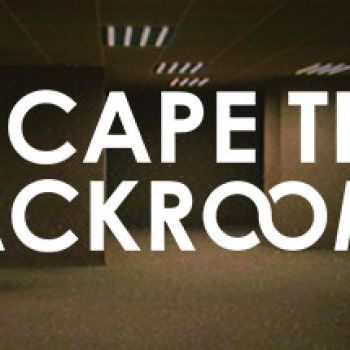
Escape The Backrooms
 Pyramid Solitaire
 Spider Solitaire
 On On Dash
 poppy playtime chapter 5
 sonic the hedgehog
 Helix Jump
 Slice Master Unblocked
 Perfect Slices
 Fruit Slasher
 Slicing All
 Knife Ninja
 Slice Rush
 Fruit Master
 ASMR Slicing
 Slice It Fair
 Sushi Slicer
 Slice It All
 Cake Slice Ninja
 Spiral Roll
 Knife Way Up
 Slope Game
 Geometry Arrow 3D
 Geometry Dash Lite 3D
 Geometry Dash Breeze 3D
 Wacky Flip
 Geometry Dash: Fight with Brainrot!
 Geometry Dash Meltdown 3D
 Lizard Lizard Clicker
 Geometry Dash Subzero 3D
 Parkour Race
 Cookie Clicker City
 Drive Mad
 Happy Wheels
 Hero Clicker
 Happy Glass
 Banana Clicker
 Brain Test 2
 Temple Run 2
 Hungry Shark Arena
 Merge Fruit
 Pokemon Clickers
 Cut the Rope 2
 Block Blast
 Among Us
 Geometry Dash Breeze
 Soap Cutting
 Stumble Guys
 Bottle Flip Challenge
 Kitten Hide And Seek
 Flip Bottle
 Super Mario Bros
 Super Slime
 Duet Cats Cute Cat Music
 Smash Karts
 Monkey Mart
 Master of Numbers
 Color Page ASMR
 Iron Snout
 Papa's Scooperia
 Candy Clicker
 Sushi Party
 8 Ball Pool
 Stick Merge Halloween
 Bubble Shooter
 Flappy Bird
 One Line Only: Dot To Dot
 Color Tunnel
 Blumgi Slime
 Cut The Rope
 Party Toons
 Tunnel Rush
 Fish Eat Fish
 UNO Online
 Lines FRVR
 Plants VS Zombies
 Bad Ice Cream
 Capybara Evolution: Clicker
 Bartender the Right Mix
 Daily Dadish
 Soccer Random
 Gold Miner
 Super Spin
 Totemia Cursed Marbles
 Music Line V
 Dadish
 Candy Crush
 House Paint
 Rabbids Raid
 Tetris
 Mahjongg Solitaire
 Pico Park
 Merge Fruits
 MineFun.io
 Garden Bloom
 Merge Melons
 Monster Dash
 Geometry Dash Spam
 Papery Planes
 Slice Master: Idle Clicker
 Geometry Arrow
 Puzzle Blocks Classic
 Obby Tower: Parkour Climb
 SchoolBoy Runaway
 Fruit Cube Blast
 Geometry Dash Lite
 Sprunki
Overview of Escape The Backrooms
Escape The Backrooms is an atmospheric exploration game that places the player in an endless maze of dimly lit corridors and empty rooms. The visual style draws inspiration from the popular internet myth of the Backrooms, creating a sense of uncanny familiarity mixed with subtle dread. Players must navigate through the shifting layout, searching for clues that hint at an exit while managing the growing tension that comes from being alone in a space that feels both familiar and alien.
Atmosphere and Visual Design
The game relies heavily on ambient lighting, muted colour palettes and low frequency sound design to immerse the player. The walls are covered in faded carpet, the fluorescent lights flicker intermittently and the distant hum of ventilation systems adds a constant background noise. This combination of visual and audio cues creates a feeling of isolation that encourages careful observation. The lack of overt threats means that the fear comes from the unknown rather than from monsters, making the experience more psychological than action oriented.
Soundscape and Mood
The soundtrack consists of subtle drones and occasional distant echoes. When a player moves deeper into the maze, the sound of footsteps becomes more pronounced, reminding the player of their own presence in the empty space. The occasional creak of a floorboard or a distant metallic clang can cause a sudden spike in adrenaline, prompting the player to pause and listen before proceeding.
Practical Guidance for New Players
Because the game does not provide explicit objectives on screen, the first step is to become familiar with the environment. Take time to explore each hallway and room, noting any irregularities such as misplaced objects, unusual lighting patterns or subtle texture changes on the walls. These details often serve as visual markers that help you keep track of where you have already been.
Developing a Mental Map
Since the layout can change as you progress, it is useful to create a mental map based on landmarks rather than relying on a fixed grid. Look for unique features such as a broken light fixture, a cracked floor tile or a piece of furniture that stands out. When you encounter a similar feature later, you can infer that you are looping back to a previous area.
Managing Tension
The game’s design encourages a slow pace. Move deliberately and avoid rushing through corridors. If the ambient sounds become overwhelming, pause for a moment and focus on breathing. This simple technique helps maintain composure and prevents the mind from filling the silence with imagined threats.
Replay Value and Community Interaction
Escape The Backrooms offers a high degree of replayability because each playthrough can present a slightly different arrangement of rooms. The procedural elements ensure that no two sessions feel exactly the same, rewarding players who return to discover new pathways and hidden details. Online forums and community groups often share personal experiences and theories about the lore, providing additional motivation to explore deeper.
Sharing Discoveries
Players who document their findings in screenshots or short video clips can contribute to a collective knowledge base. Discussing theories about the origin of the Backrooms or the meaning behind specific objects can enhance the overall experience and create a sense of shared adventure.
Frequently Asked Questions
Is there a definitive ending to Escape The Backrooms?
The game is designed to be open ended. While some players report reaching a location that feels like an exit, the experience is intentionally ambiguous, allowing each individual to interpret the conclusion in their own way.
Can the game be played on a low‑end computer?
The visual style is intentionally minimalist, which means the game runs smoothly on most modern computers. Players with older hardware should be able to enjoy the experience without needing to adjust graphic settings.
Are there any hidden collectibles or secrets?
Scattered throughout the maze are small objects that do not affect gameplay but serve as visual storytelling elements. Finding these items can provide additional context to the mysterious setting and reward attentive exploration.
How often does the layout change between sessions?
The procedural generation system rearranges corridors and rooms each time a new game is started. While some structural patterns remain consistent, the overall layout varies enough to keep the experience fresh.
What is the best way to stay motivated during long play sessions?
Setting small personal goals, such as locating a particular type of lighting fixture or reaching a certain number of unique rooms, can break the experience into manageable segments. Celebrating each small achievement helps maintain a sense of progress.